Couples see a photographer for eight or ten hours on the wedding day and then, in most cases, see nothing for a while. What happens in that gap is most of the work, and since it is the part you cannot watch, we thought we would describe it plainly. This is what happens to your photographs after we say goodnight.
During the day: the same-day edit
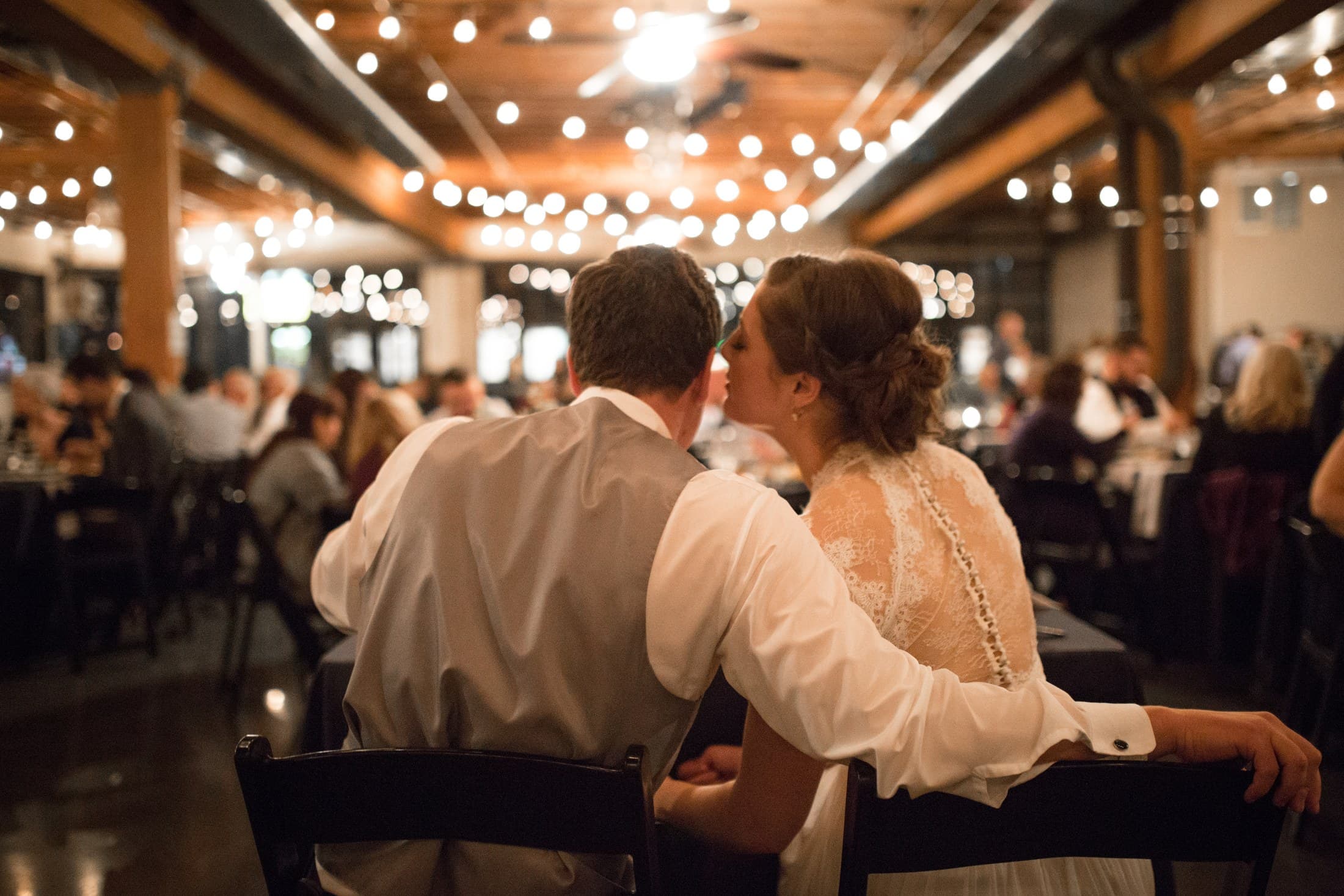
A small piece of the after happens before the day is even over. While guests are eating, one of us pulls a set of images from the morning and ceremony, gives them a light edit, and assembles a short slideshow that plays at the reception. It is the first time you see yourselves getting married, an hour or two after you did, surrounded by the people who were there. Guests love it. Grandparents especially love it. It is included in every collection, and it is one of our favorite things we do.
That night: the backup
Before the cards are ever reused, every image from the day is copied to our studio archive drives and then out to the other two locations of our 3-2-1 archive. Only once the full set exists in more than one place do we consider the wedding safely home.
This is not glamorous, and it is the single most important thing that happens in the whole process. Everything else can be redone. This cannot.
Within 24 hours: the preview
The next day, we go through the wedding once, quickly, and pull 20 to 30 images that tell the story. These get a full edit and are sent to you within 24 hours of the wedding. It is a small set on purpose: enough to share with family, post if you like, and hold onto while the rest is being worked on. Most couples are still traveling or asleep when it arrives, which is fine. It will be waiting.
The cull
A full wedding day produces thousands of frames. Most of them are duplicates, near-duplicates, test frames, blinks, and the twelve versions of the same moment that were needed to get the one where everyone's eyes were open. Culling is the process of going through all of it and choosing what will become your gallery.
We cull for story first. Does this image show something that happened, something that matters, someone who was there? Then for craft: is it sharp, is the light right, is the expression honest? An image can pass the second test and fail the first, and it does not make the gallery. The goal is a set you can look at from start to finish and feel the day, not a hard drive full of everything.
The result is typically 250 to 450 images for a full wedding. The number is not a target. It is what a day tends to produce once everything that does not need to be there has been removed.
The edit
Every image in the gallery is edited. That means color and exposure are corrected so the light looks the way it felt, skin tones are consistent from the getting-ready room to the dance floor, and the images from two different cameras, or two different photographers, look like they belong together. It does not mean heavy retouching. We fix a distracting exit sign and remove a stray cable. We do not reshape faces or bodies, and we do not chase trends that will look dated in five years.
Consistency is most of the work. A wedding moves through a dozen kinds of light in one day: window light in the morning, open shade for portraits, direct sun at the ceremony, string lights and a DJ's color wash at night. Making all of that feel like one continuous story is what takes the time.
Within one to two weeks: the gallery
Your full curated gallery is delivered online within one to two weeks of the wedding. You receive the full-resolution files with a print release, which means you can download everything, print anywhere you like, at any size, and share it however you choose. The gallery is organized by the arc of the day so it reads like the day did.
If you have an album in your collection, or add one, this is when design begins. We build a first layout, you review it, we adjust, and it goes to Graphistudio in Italy to be made by hand. That part takes longer, because it should.
Afterward: the archive
Delivery is not the end. Once your gallery is out, your full wedding, including the images that did not make the gallery, is archived under the 3-2-1 rule: three complete copies, on two kinds of storage, with one copy in a separate location. In more than fifteen years we have never deleted a wedding, and we do not intend to start.
This matters more than it sounds. Gallery links expire. Laptops get replaced. Downloads get lost in a move. If you ever need your images again, next year or in a decade, you ask and we send them. Couples who want their own copy of everything can request a raw archive drive to keep somewhere safe.
What you actually have to do
Very little. You get a preview the next day, a gallery within two weeks, and an album if you chose one. The only thing we ask is that you download your gallery when it arrives and keep a copy somewhere of your own, because even with our archive behind you, the best backup is the one you can reach without asking.
If you would like to check your date and see how this would work for your wedding, tell us about your day here.
Rose City Photo Co. photographs weddings in Portland, across Oregon, and in Seattle. Every collection includes our vintage photo booth.
Request a quote