Hours are the biggest single lever in a photography quote, and the one couples most often guess at. Guess low and you either miss the exit or end up adding hours on the day. Guess high and you have paid for coverage of a dance floor that emptied at nine. The good news is that the right number is usually easy to work out once you sketch the day itself.
Think in moments, not hours
Start by listing the things you actually want photographed. For most weddings that is some version of: the last hour of getting ready, the ceremony, the family and wedding party portraits, portraits of the two of you, the cocktail hour, the entrance and first dances, toasts, cake, and some amount of open dancing. Some couples add a first look. Some add a send-off.
Now notice which of those moments have fixed times. The ceremony start, the dinner service, and the venue's end time are usually locked. Everything else flexes around them. Coverage is simply the span from the first moment you want to the last, plus a little room for the day to run late, which it will.
Six hours
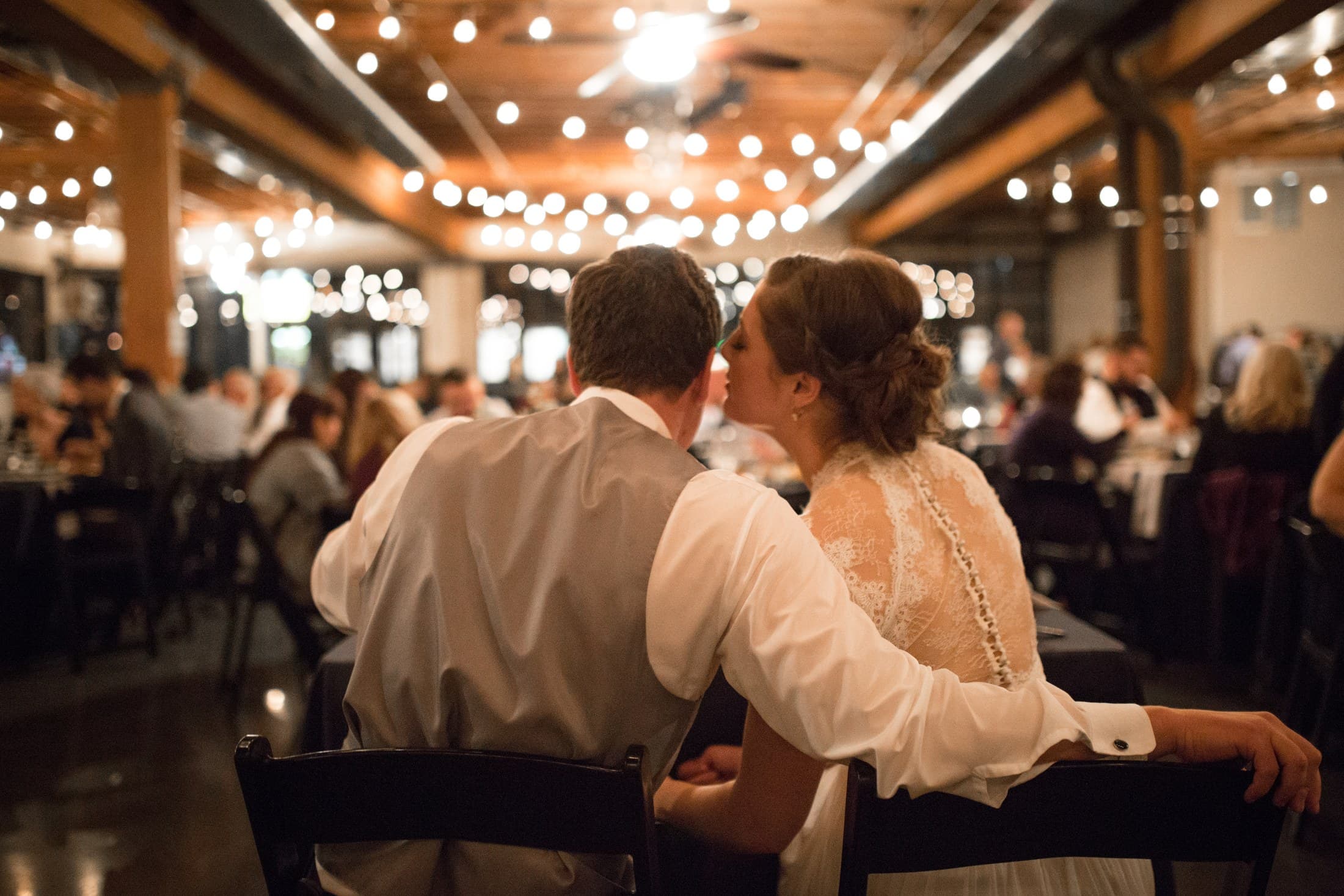
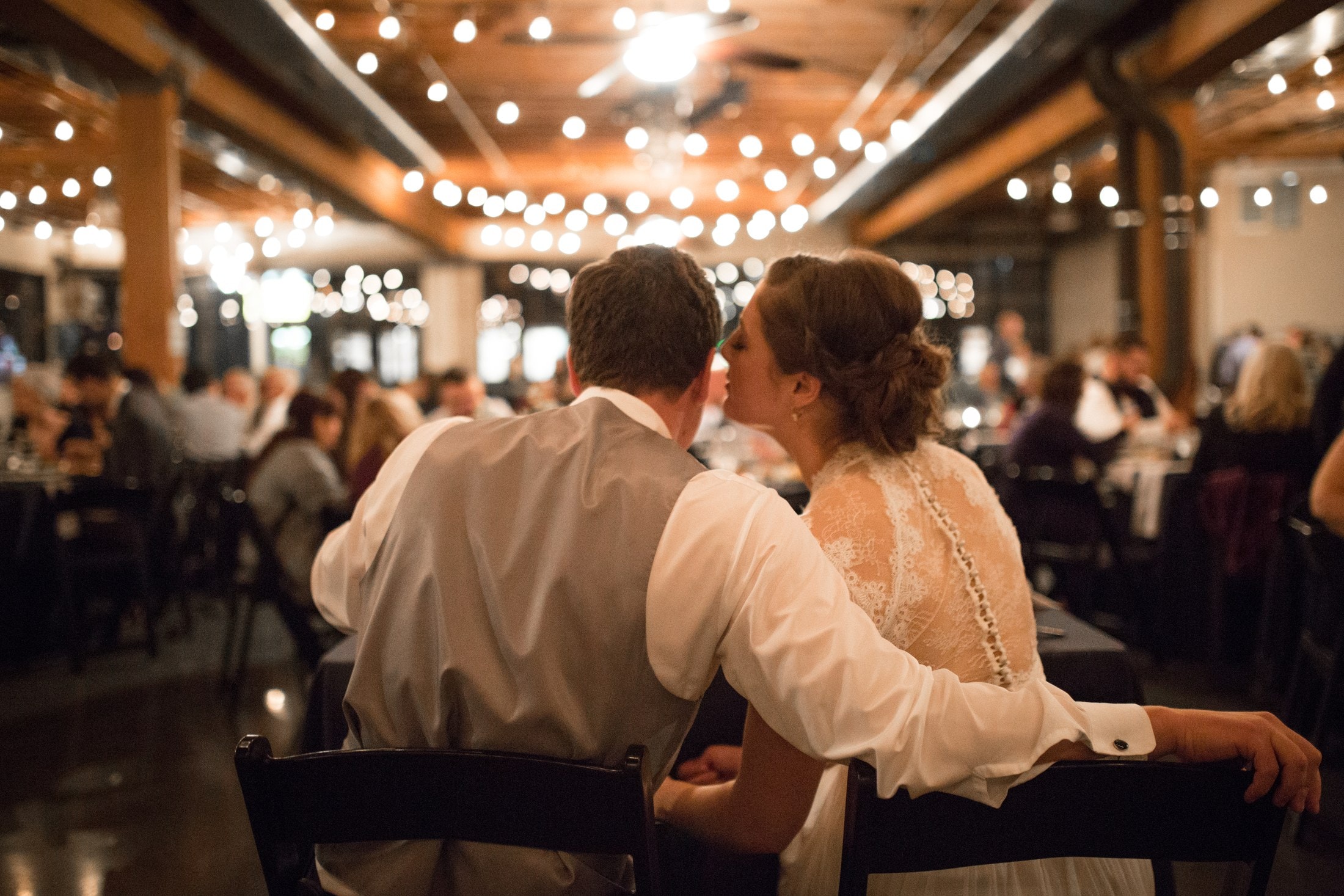
Six hours is a real wedding day, not a compromise. It works well when the ceremony and reception are at the same place, the guest list is on the smaller side, and you do not need the very end of the night documented. A typical six-hour arc starts an hour before the ceremony, when you are dressed and the details are ready, and ends about ninety minutes into the reception, after dinner, toasts, and the first dances.
What six hours usually does not hold is a long getting-ready sequence, a first look with extended portraits, or open dancing past the first few songs. If those matter to you, six hours is where you feel it.
Eight hours
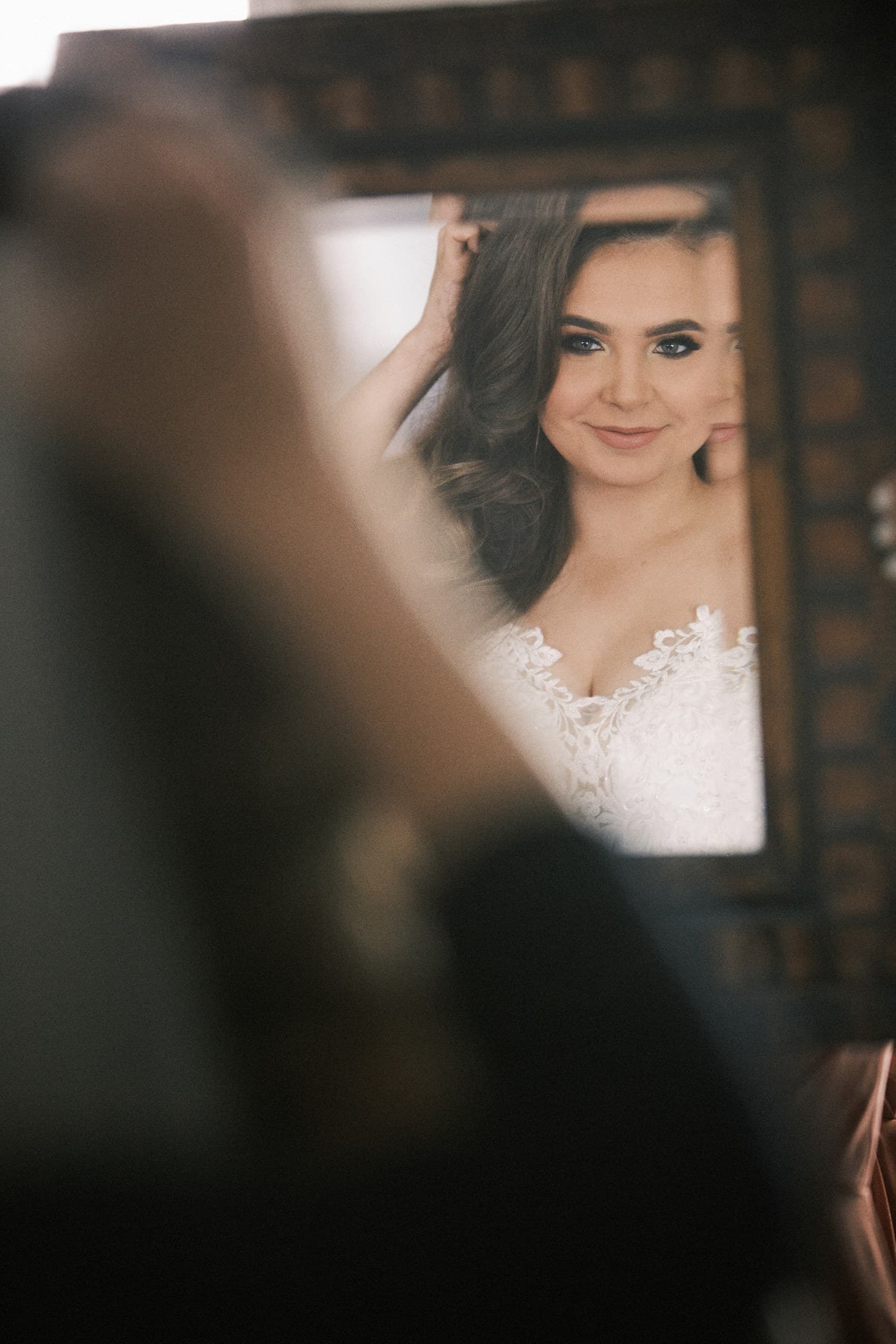
Eight hours is where most of the weddings we photograph land, and it is our Gold collection for a reason. It gives you a full getting-ready window, a first look if you want one, unhurried portraits, the whole ceremony and cocktail hour, and a solid stretch of the reception including the moment the dance floor properly fills. With a second shooter, eight hours also means both of you are photographed while getting ready, even if you are in different buildings.
If your ceremony and reception are at different venues with a drive between them, eight hours is usually the minimum that keeps the day from feeling clipped.
Ten hours
Ten hours is full-day coverage. It starts earlier, when the room is quiet and the dress is still on the hanger, and it runs late enough to include a sparkler exit or the last song. It suits larger weddings, multi-location days, weddings with cultural or religious elements that add ceremony time, and couples who simply want the whole story from the first cup of coffee to the last dance.
Our Platinum collection pairs ten hours with a full-day second shooter and an album, because a day that long produces the kind of gallery that deserves one.
Three sample timelines
These are sketches, not templates. Every day moves differently.
A six-hour day with a 4 p.m. ceremony: coverage from 3 to 9. Details and final getting-ready at 3, ceremony at 4, family and couple portraits from 4:30 to 5:30, cocktail hour candids, dinner and toasts around 6:30, first dances and cake by 8, open dancing until coverage ends at 9.
An eight-hour day with a 4 p.m. ceremony and a first look: coverage from 1 to 9. Getting ready from 1, first look and couple portraits at 2:30, wedding party at 3:15, ceremony at 4, family portraits immediately after, a short golden-hour walk around 7 while guests finish dinner, then dances, toasts, and dancing until 9.
A ten-hour day across two locations with a 2 p.m. ceremony: coverage from 11 to 9. Getting ready at both locations from 11 with two photographers, ceremony at 2, family portraits at 2:45, travel to the reception venue, couple portraits on arrival, cocktail hour at 4:30, dinner and toasts at 6, sunset portraits at 7:30, dancing, and a send-off at 9.
The buffer nobody plans for
Whatever number you land on, leave room. Hair and makeup runs late more often than not. Family portraits take longer than the list suggests. The shuttle arrives twenty minutes after it said it would. A timeline built with zero slack means the portrait time is what gets cut, because it is the only part of the day that is not on someone else's clock.
We would rather you build fifteen minutes of nothing into two or three places in the day than add an hour of coverage at the end. That said, if the day does run long, an extra hour is a simple add-on and we can usually say yes on the spot.
How to decide
Sketch your day on one page with real times. Mark the first thing you want photographed and the last. Count the hours between, add one for slack, and see which collection that lands in. If you are between two, ask yourself which end of the day matters more to you: the quiet beginning or the loud end. Couples who love getting-ready photographs should lean earlier. Couples who plan to dance until the lights come up should lean later.
And if you honestly do not know yet, that is fine. Timelines get built months after the date is booked, and we help with that part.
If you would like to talk through your timeline and check your date, tell us about your day here.
Rose City Photo Co. photographs weddings in Portland, across Oregon, and in Seattle. Every collection includes our vintage photo booth.
Request a quote